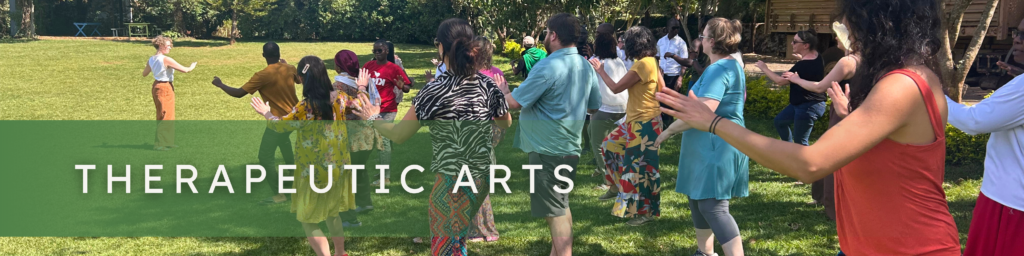

Why Therapeutic Arts?
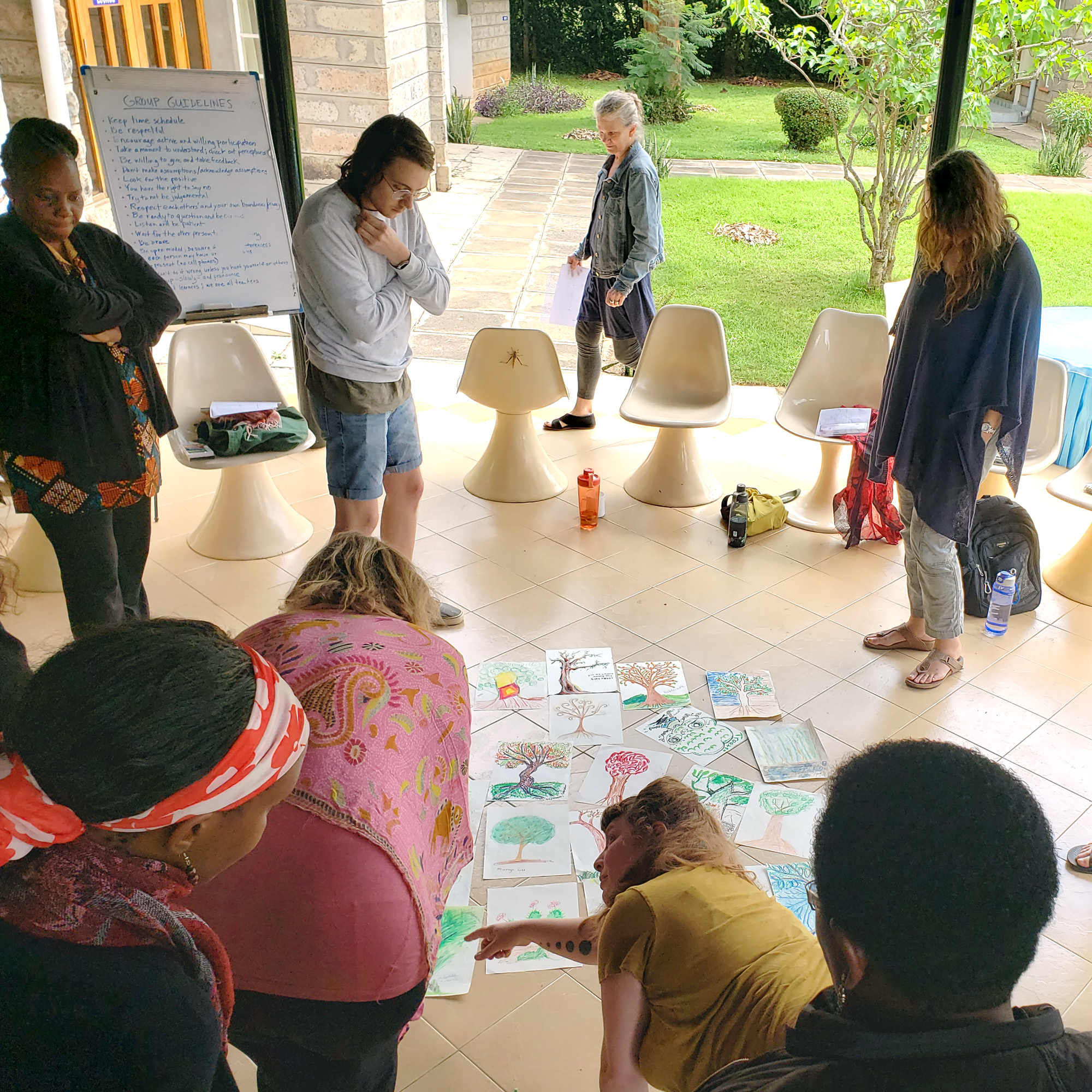 The use of arts-based cultural practices for personal-relational-collective wellbeing in Africa long predates the establishment of the creative arts therapies professions in the Global North. Yet, these Indigenous African knowledge systems have been erased from dominant therapeutic models, which has led to their being discounted in the professionalization of counseling in Africa and in the absence of employment opportunities for creative arts therapists (CATs).
The establishment of CATs in East Africa would expand access to healthcare by bridging the gap between traditional healing practices and biomedical approaches. They would offer a less stigmatized means of obtaining mental health care and provide a culturally relevant and sensitive means of psychosocial care.
Our approach to therapeutic arts training is to safeguard Indigenous knowledge and cultural traditions while supporting the development of East African-centric CATs. Yet, this is not a one-sided venture.
When visiting arts therapists, counselors, and social workers are able to de-center themselves from the assumed expertise of western knowledge systems, they have an opportunity to recognize the impoverished perspectives of conventional biomedical healthcare approaches and to open themselves up to collectivist healing traditions in which psycho-spiritual-ancestral-environmental aspects of healing are interconnected.
In turn, this cross-cultural experience can generate new, more globally informed theories and practices that have the potential to enrich their creative arts therapies practices back home.
History of the Therapeutic Arts Paraprofessional Training in Africa (TAPTA)
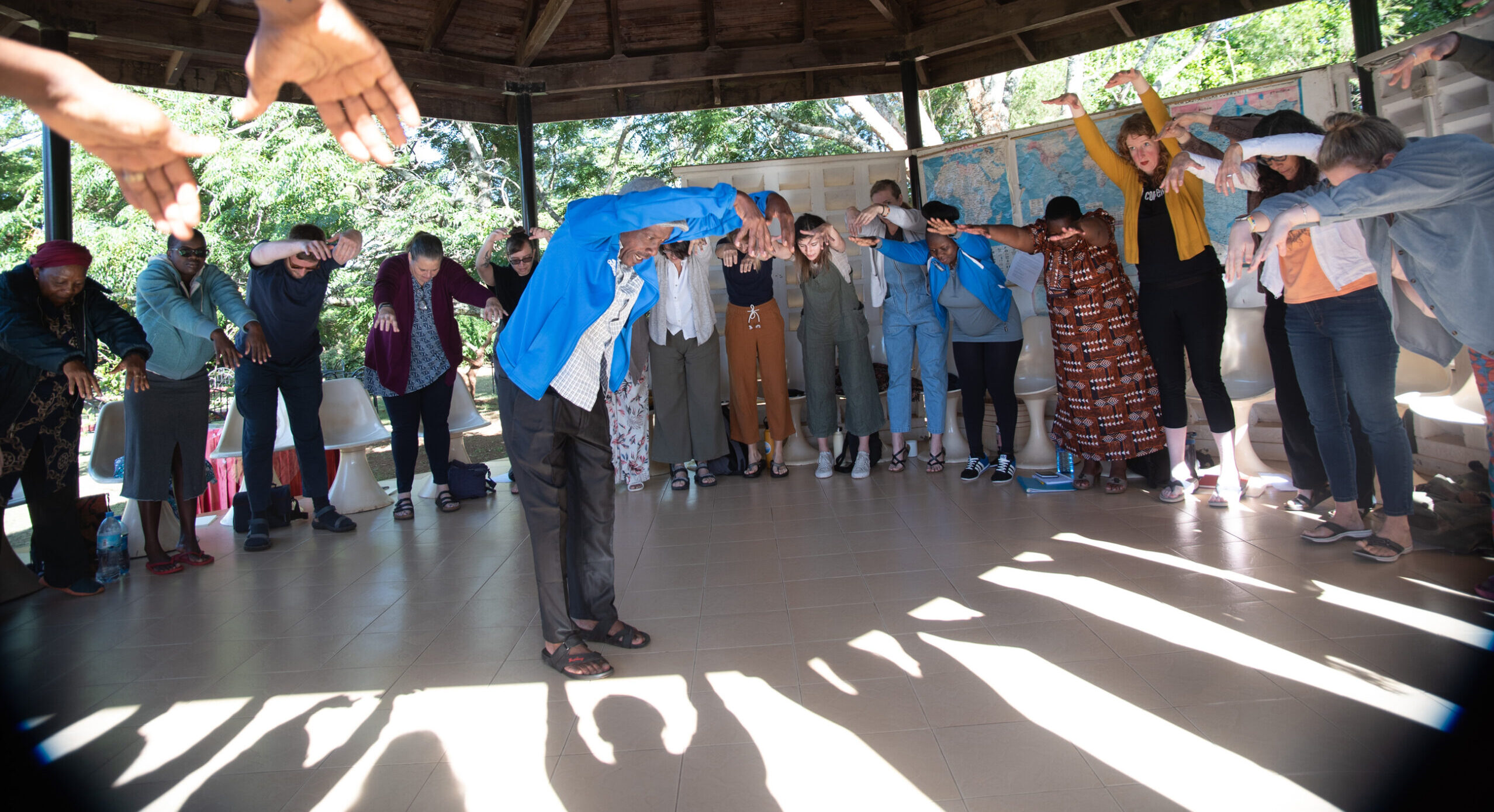
The Therapeutic Arts Paraprofessional Training in Africa (TAPTA) evolved from cross-cultural arts workshops conducted in East Africa by local artists in collaboration with visiting artists and arts educators from the U.S. In 2008, recognizing the way the arts were informally being used in East Africa to both build on cultural strengths and address the psycho-social needs of children, youth, and communities, the idea for a therapeutic arts training program was born.
It began by identifying East African artists who were already using their skills and knowledge to address social issues and needs in their communities, and who were eager to further their expertise in this regard. At the same time, we reached out to creative arts therapists from countries outside of Africa who were interested in learning about East African approaches to the arts and health/healing and interested in engaging in a cultural exchange. The cross-cultural workshops gradually transitioned from sharing arts techniques and practices to sharing therapeutic approaches to dance, music, drama, creative writing, and visual arts.
From the beginning, the goals for the trainings were focused on collaboration, centering East African cultures and knowledges, and sustainability. Rather than “introducing” the creative arts therapies as a profession, visiting creative arts therapists were asked to de-center themselves as experts and collaborate with East African artists, counselors, teachers, and other cultural workers to build on the arts practices in East Africa that have been associated with individual and collective wellbeing for centuries.
With the goals of collaboration, an East African-centered approach, and sustainability in mind, we focused on a train-the-trainers curriculum for the 2018 TAPTA, so that experienced East African training participants could provide paraprofessional workshops in their own communities on the therapeutic use of the arts. We also established an East African Leadership Team (EALT) and a Visitor Leadership Team (VLT) to provide collaborative guidance toward these goals.
In recent years, volunteers from the two teams have worked together to develop the annual TAPTA curriculum, with the needs and desires of the East African participants taking precedence. The VLT members have taken more supportive roles during the TAPTA, primarily guiding and addressing the needs of the visiting professionals, while the EALT members have increasingly stepped forward into leadership positions, actively facilitating the training curriculum. Members of the EALT have also conducted therapeutic arts training workshops in Tanzania and Kenya. These workshops have both served to widen the circle of therapeutic arts skills and knowledge and to identify potential candidates for more in-depth training through the TAPTA.
The future shape and duration of the TAPTA program will be mutually determined by the EALT and VLT. Thus far, the consensus is that it remains a valuable and enriching cross-cultural experience for everyone involved!